
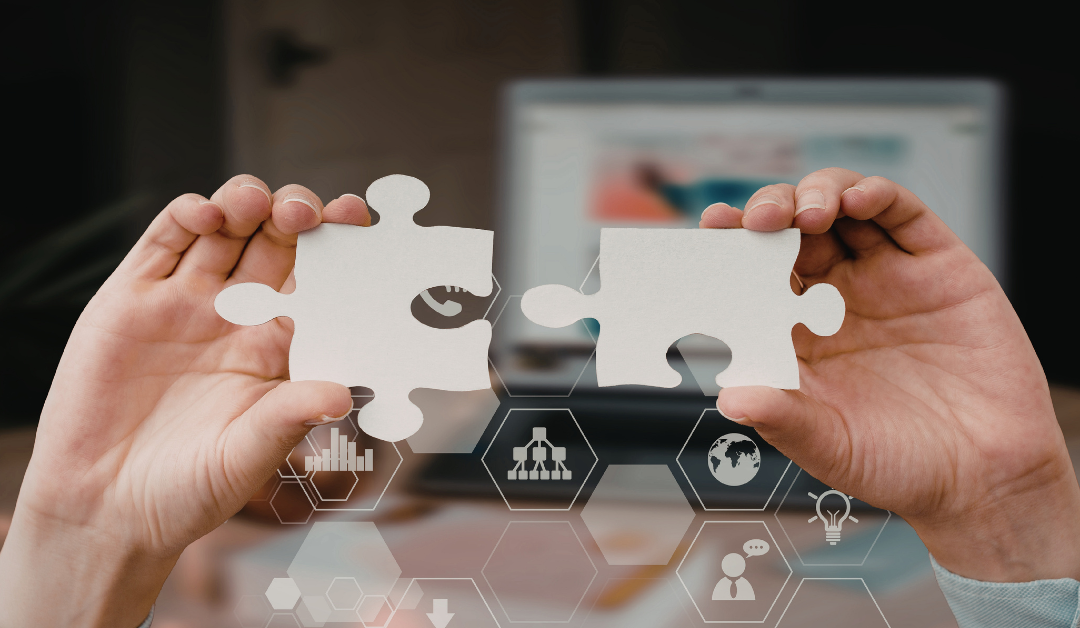
Why Marketing Automation Matters for Small Businesses in 2026
Small businesses face tighter budgets, smaller teams, and the constant pressure to compete with bigger players. That’s why marketing automation for small business has become one of the most powerful ways to level the playing field. In 2026, automation is no longer a luxury — it’s a necessity.
At Redfern Media, we see automation as more than just a time-saver. It’s a system that connects all your touchpoints — emails, ads, social, and customer data — into a smooth journey that helps businesses grow smarter, not harder.
What Makes Marketing Automation Effective?
The success of automation isn’t just about technology. It’s about strategy, consistency, and customer experience. Here are the must-have ingredients for effective automation in 2026:
- AI-driven personalization: Customers expect messages that feel tailored to them.
- No-code platforms: Tools are easier to use, empowering small teams without heavy IT support.
- Omnichannel integration: Connecting email, SMS, chat, and social for one seamless flow.
- ROI-focused analytics: Real-time insights that tell you what’s working and what isn’t.
Even small tweaks — like setting up an abandoned cart sequence — can have a huge impact. One Redfern client increased conversions by 22% after implementing a simple two-step automated follow-up.
Breaking Down the Top Marketing Automation Tools for SMBs in 2026
How AI is Reshaping Automation for Small Business
Artificial intelligence is no longer just for enterprise companies — in 2026, it’s a core driver of marketing automation for small business. AI helps analyze customer behavior in real time, predict future actions, and deliver hyper-personalized campaigns. For example, machine learning models can determine which email subject line is most likely to get opened, or which product a customer is most likely to purchase next.
Platforms like HubSpot AI and ActiveCampaign are putting these enterprise-level tools into the hands of small business owners at affordable rates. This means even businesses with modest budgets can now use predictive analytics, automated A/B testing, and chatbots that respond intelligently to customer inquiries — all without a large in-house tech team. Explore Redfern Services can help you.
How No-Code Platforms Make Automation More Accessible
In the past, businesses needed developers or IT specialists to set up automation. Today, no-code platforms have completely changed the game. Tools like Zapier, Make (Integromat), and drag-and-drop email builders let small teams design workflows visually, with little to no technical knowledge.
For example, a small tutoring business can create an automated flow that:
- Captures a lead from a website form.
- Sends an immediate welcome email.
- Adds the lead to a CRM list.
- Sends a follow-up SMS reminder about scheduling a call.
All of this can be set up in under an hour — without writing a single line of code.
How Omnichannel Automation Drives Engagement
Today’s customers move fluidly between channels. They might first see an Instagram ad, then check reviews on Google, before finally opening a follow-up email. If your business isn’t present on all these touchpoints, you risk losing them mid-journey.
Omnichannel automation ensures your brand follows the customer seamlessly, no matter where they are. Automated campaigns can now synchronize across email, social media, SMS, and even chat apps like WhatsApp. For example, a prospect might receive a personalized email, followed by a targeted social ad, and then a reminder SMS if they haven’t booked a call.
How ROI-Focused Analytics Help Small Businesses Grow
One of the biggest struggles for small businesses is knowing what’s working and what isn’t. Traditional marketing reports that only show open rates and click-through rates are no longer enough. In 2026, modern platforms provide deep, ROI-focused insights.
This includes metrics like customer lifetime value (LTV), churn rates, and multi-touch attribution — data that helps you see the true impact of your marketing spend. For SMBs, this means you can stop wasting money on campaigns that don’t perform, and double down on the ones that do. For example, if analytics show that SMS reminders bring in 40% more bookings than email, you can shift budget accordingly.
With real-time dashboards and predictive analytics, small businesses now have the same clarity on ROI that large corporations have enjoyed for years.
Common Mistakes Small Businesses Make with Automation
While automation is powerful, many businesses make mistakes that limit its impact. Some of the most common pitfalls include:
- Overloading customers with emails or messages — leading to unsubscribes.
- Ignoring personalization — sending generic “one-size-fits-all” messages.
- Not measuring key performance indicators (KPIs) like conversion rate, customer acquisition cost (CAC), and LTV.
- Treating automation as “set and forget.” In reality, automation needs constant refinement as customer behaviors and platforms evolve.
To avoid these pitfalls, SMBs should regularly review workflows, test different approaches, and refine messaging. Automation is not a one-time project — it’s an ongoing system that improves with iteration.
A Real-World Success Story
One service-based small business came to Redfern Media struggling with inconsistent leads and a lack of follow-up systems. They had plenty of traffic but were losing potential customers because no one was nurturing them after the first contact.
Our team introduced:
- AI-powered lead scoring to prioritize the most promising prospects.
- Automated email sequences to build trust and share valuable content.
- SMS reminders for appointments to reduce no-shows.
Within three months, they saw:
- 30% more qualified leads entering their sales funnel.
- 25% higher appointment bookings thanks to timely reminders.
- 40% boost in customer engagement, leading to more repeat clients.
That’s the real value of marketing automation for small business in 2026 — scalable systems that generate consistent, measurable results without overwhelming small teams. 👉
Frequently Asked Questions
What is marketing automation for small businesses?
Marketing automation for small businesses uses technology to streamline tasks like email campaigns, social posting, and customer follow-ups. It helps small teams save time and increase efficiency.
What tools are best for SMB automation in 2026?
Top tools include HubSpot, ActiveCampaign, and no-code solutions like Zapier. These platforms are affordable, scalable, and designed for small business needs.
How do you measure automation ROI?
Key metrics include customer acquisition cost (CAC), conversion rate, engagement levels, and customer lifetime value (LTV). Tracking these ensures automation is delivering results.
Is automation too complex for small businesses?
Not anymore. Thanks to no-code and AI tools, automation is easier and more accessible. Even businesses without dedicated tech teams can launch effective campaigns.
Strong Automation is the Future of SMB Growth
A powerful marketing automation for small business strategy in 2026 is no longer optional — it’s the growth engine for sustainable success. When executed correctly, it saves time, nurtures leads, and boosts ROI.
At Redfern Media, we specialize in helping small businesses build automation systems that work. If you’re ready to scale smarter, schedule a consultation today.
Recent Comments